Deel Review 2026: How I Got My O-1A Visa to the U.S. (Full Experience)

When I first decided I wanted to move to the United States, I had no clear plan.
I wasn’t sponsored by a company.
I didn’t have a traditional job lined up.
And I didn’t fit into the typical visa categories most people talk about.
What I did have was this:
I had built businesses.
I had real results.
And I knew I wanted to take things further in the U.S.
But the question was simple:
How do you actually make that happen?
The Starting Point: Not Knowing What to Do
Like most people, I started with research. I spent hours searching online:
- How to move to the U.S. as an entrepreneur
- Best visa options for founders
- Can you live in the U.S. with your own business
And the more I researched, the more confusing it became. There are so many visa types, and most of them don’t really fit if you’re not going the traditional route.
At that point, I didn’t have clarity. I just knew I needed a path that would allow me to:
- Build and run my own business
- Stay in the U.S. legally
- Have flexibility long-term
Eventually, I came across the O-1A visa.
Discovering the O-1A Visa
The O-1A is often referred to as the “extraordinary ability” visa.
At first, I dismissed it. It sounded like something meant for celebrities, athletes, or people at the very top of their field. But the more I looked into it, the more I realized something important:
It’s not about being famous. It’s about being able to prove that you are highly skilled and recognized in what you do.
How Deel Entered the Picture
At this stage, I still didn’t know if the O-1A was realistic for me. I had some achievements, but I didn’t know if they were enough.
That’s when I came across Deel. At the time, they were offering support around visa processes, including helping founders understand if they could qualify.
So I decided to take a step forward and actually talk to them.
The First Step: Evaluation
I had a few calls with their team. We went through my background, my experience, and everything I had done up until that point.
They asked about:
- my businesses
- my results
- media mentions
- overall profile
It wasn’t just a quick conversation. They actually analyzed my situation in detail. After reviewing everything, they came back with their conclusion:
They believed I had a strong case for the O-1A visa. They estimated around a 95 percent chance of approval if everything was structured correctly.
That was a turning point.

Deciding to Move Forward
Even with that confidence, it wasn’t an easy decision. The process is not simple. It requires:
- time
- money
- effort
- and a lot of documentation
I took some time to think about it.
But ultimately, I decided:
If I’m serious about moving to the U.S., this is the path.
So I moved forward with Deel.
Setting Up the Structure
One of the first things they told me was this:
Before we can start, you need a U.S. entity.
That means:
- an LLC or a C-Corporation
This is important because of how the O-1A visa works. Even if you are essentially working for yourself, the structure requires that:
- a company acts as the petitioner
- and you are the beneficiary working within that company
So the first step was getting that structure in place. This alone already made things feel more real.
The Documentation Phase (The Longest Part)
Once everything was set up, we moved into the main phase of the process. This is where most of the work happens.
I was given access to a dashboard where I could upload all my documents. And this is where I realized how serious the process actually is.
Because you need a lot of documentation. Everything that supports your case:
- proof of work
- results
- media mentions
- anything relevant to your achievements
At the beginning, it felt overwhelming. I had done a lot over the years, but it wasn’t all organized in one place.
Organizing Everything
This is where Deel helped a lot. Not by doing the work for me, but by:
- guiding what I needed
- structuring how to present it
- helping me understand what actually matters
I started uploading documents gradually. It wasn’t something I finished in a week. It took time. Around three to four months just to gather and upload everything properly.
Feedback and Iteration
Once I had uploaded the initial set of documents, their team reviewed everything. Then they came back with feedback. This part was very important. Because it wasn’t just:
“Upload what you have”
It was:
“Here’s what’s missing”
“Here’s what can be improved”
“Here’s what would strengthen your case”
So I went back and added more. More documents. More proof. More structure.
Building the Full Case
This process of uploading, reviewing, and improving continued. In total, it took around six months before everything was ready.
By that point:
- everything was organized
- everything was structured
- everything was aligned with the requirements
This is where the real value showed. Because the difference between:
A weak case and a strong case
Is often not what you’ve done
But how it’s presented.
The Petition
Once everything was ready, the lawyers and experts at Deel took over. They used all the material to build the full petition.
This is essentially the final document that gets submitted. And it’s not small. In my case, the full petition was around 400 pages. That gives you an idea of how detailed this process is.
Working With the Team
Throughout this process, I worked closely with their team. One person in particular stood out. His name was Ahmed.
He was extremely helpful throughout the entire process.
- very responsive
- very supportive
- always clear in communication
At some point, it didn’t even feel like just a service anymore. It felt more like working with someone who genuinely wanted you to succeed.
Over time, we even became friends. That made a big difference. Because this process can feel stressful, and having someone reliable helps a lot.
Submitting the Application
After months of preparation, we were finally ready to submit the petition. At that point, everything had been reviewed multiple times.
Everything was structured. Everything was in place. I decided to go with premium processing. This is an option where you pay extra to get a faster response.
The Waiting Period
Even with premium processing, there’s still a moment of uncertainty.
You’ve invested:
- time
- money
- energy
And now you’re waiting. In my case, the wait was short.
Around two weeks.
The Result
Then I got the answer.
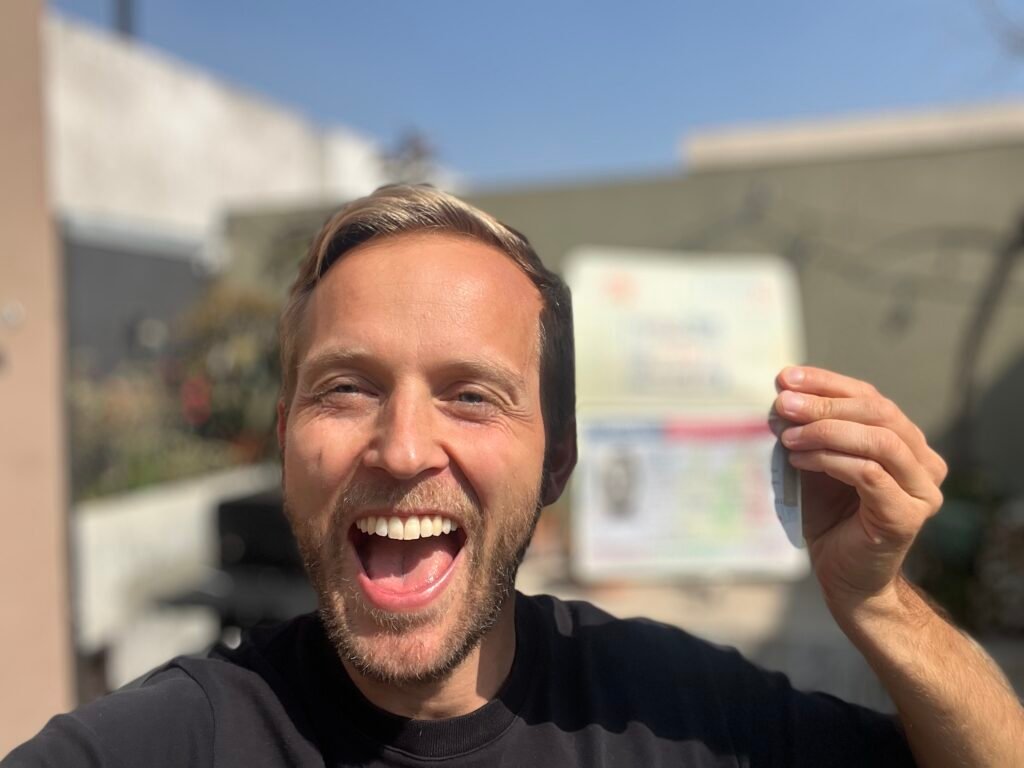
The visa was approved!!!!
After everything, it worked.
That moment is hard to describe. Because it’s not just about the visa.
It’s about everything behind it:
- the effort
- the process
- the decision to go for it
Looking Back at Deel’s Role
Deel didn’t “get me the visa” on its own. But they played a very important role in the process. After going through the full process, here’s how I would describe Deel as a platform.
What Deel Does Well
The biggest strength is structure.
Everything is organized:
- what you need to do
- what documents are required
- what comes next
When you’re dealing with something complex like a visa or international setup, that structure is extremely valuable.
Another thing that stands out is the combination of tools.
Deel is not just:
- payroll
- contracts
It’s a full system that connects:
- compliance
- documentation
- legal structure
That’s what makes it feel more like infrastructure than just a tool.
Where Deel Is Not Perfect
It’s not a simple platform.
There are:
- many steps
- a lot of documentation
- a real time investment
If you’re expecting something quick or “done for you,” this is not it.
You still need to:
- do the work
- provide documentation
- stay involved
Who Deel Is Best For
From my experience, Deel makes the most sense if you are:
- building something long-term
- working internationally
- dealing with legal or compliance-heavy setups
If you just need something simple or local, it might be more than you need.
What They Did Well
They helped with:
- evaluating my profile
- structuring the process
- organizing documentation
- building the petition
- guiding me step-by-step
The biggest value was:
structure
Because without structure, this process becomes very difficult.
What Stood Out
Two things stood out the most:
First, the level of organization.
Everything was clear:
- what to do
- what to upload
- what was missing
Second, the people.
Having someone like Ahmed made a big difference. Because this is not just a technical process. It’s also a human one.
What to Expect
If you go through something similar, you should expect:
- it takes time
- it requires effort
- you need to be involved
This is not a “done for you overnight” process.
You still need to:
- gather documents
- think strategically
- stay consistent
Would I Recommend This Approach?
Yes, but with the right expectations.
If you are serious about:
- moving to the U.S.
- building something long-term
- going through the O-1A process
Then having the right structure and support matters.
The Bigger Lesson
The biggest lesson for me was this:
The O-1A visa is not just about what you’ve done. It’s about how well you can present it.
And that requires:
- clarity
- structure
- consistency
Deel Products Explained (From My Experience)
One area that’s often overlooked when people review Deel is their support for visas and global mobility.
Deel is know for payroll, EOR, and contractor management. But in my case, the visa side was actually the most important part.
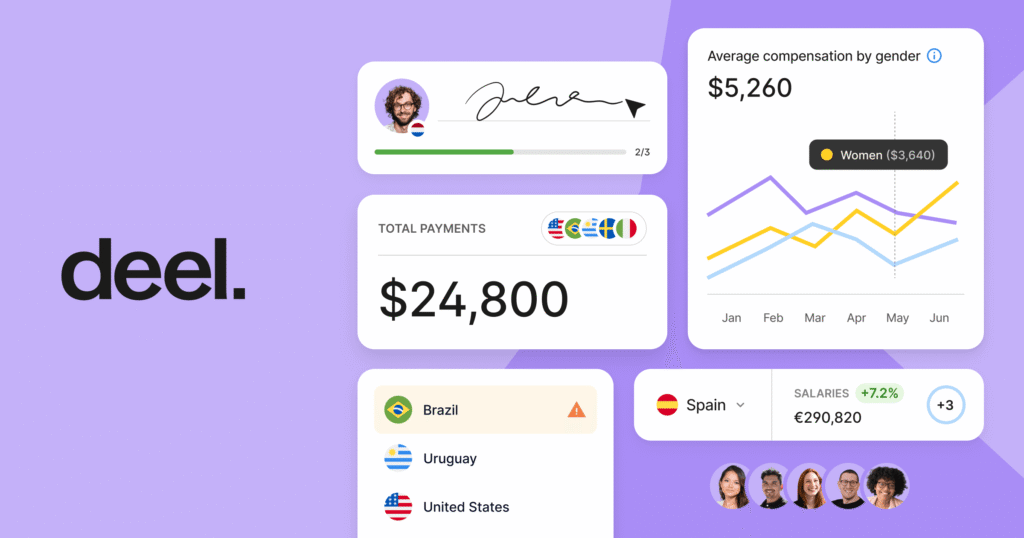
Deel doesn’t just help you hire or pay people internationally — they also support relocation and visa processes across multiple countries.
From what I’ve seen, they offer support for visas in:
- North America
- Europe
- Asia
- Latin America
- Middle East & Africa
And within each region, there are multiple visa types depending on your situation.
This can include:
- founder and entrepreneur visas
- skilled worker visas
- remote work / digital nomad visas
- company-sponsored work visas
That’s important, because not everyone fits into the same category.
In my case, it was the O-1A visa in the United States. But someone else might be:
- moving to Portugal on a digital nomad visa
- relocating to the UK as a skilled worker
- setting up in Dubai as a founder
The process is always different — but the underlying challenge is the same:
You need structure, documentation, and guidance.
That’s where Deel stood out to me.
Instead of trying to figure everything out myself across different lawyers, systems, and platforms, everything was connected in one place.
I had:
- a clear process
- a system to upload documents
- guidance on what actually mattered
- support throughout the process
It didn’t make the process “easy” — but it made it manageable.
And that’s a big difference.
Because without that structure, it’s very easy to get stuck or delay things.
Deel Review 2026: My Verdict
After going through the full process, here’s my honest take:
- Deel is not a shortcut — you still have to do the work
- But it gives you structure, guidance, and a real system
- That structure is what makes complex things like visas actually manageable
For me, the biggest value was:
- Knowing exactly what to do next
- Having everything in one place
- Working with people who understood the process
If you are serious about moving to the U.S. or setting up internationally,
then yes — Deel is worth it.
Final Thoughts
Moving to the United States through the O-1A visa was one of the biggest steps I’ve taken. It wasn’t easy. But it was worth it.
Looking back, using Deel during the process helped bring structure to something that could have easily felt overwhelming. Not because it made things simple. But because it made things manageable.
I also did more than 30 videos on my Youtube Channel talking about getting a Visa to the US. https://www.youtube.com/@KrisTheEntrepreneur
If You’re Considering the O-1A Visa
Focus on:
- building real achievements
- documenting everything
- understanding the requirements
And then:
make sure you approach the process in a structured way.

Final Note
This is just my experience. Everyone’s situation is different. But if you’re serious about making the move: it’s possible. You just need to approach it the right way.
Schedule a call with Deel today if you also want a visa to the US https://www.deel.com/partners/kristoffersblog/