Vietnam Digital Nomad Visa: A Complete Guide to Working Remotely in Vietnam in 2025

Alright, if you’re reading this, you’re probably thinking about trading in your office chair for a beachside hammock (or maybe just a cozy café in Hanoi). Who wouldn’t want to live the dream, right? Vietnam, with its rich culture, breathtaking landscapes, and vibrant cities, has become a hotspot for digital nomads in recent years. But, here’s the catch: how do you make it all official? Enter the Vietnam Digital Nomad Visa. This visa is your golden ticket to legally work while soaking in the beauty of Vietnam. In this guide, we’ll break down the process, eligibility, and everything else you need to know to make your dream of working from Vietnam a reality!
What is the Vietnam Digital Nomad Visa?
The Vietnam Digital Nomad Visa is a new program designed to attract remote workers, freelancers, and digital entrepreneurs who wish to live and work in Vietnam. This visa allows foreign nationals to legally reside in the country while working for an overseas employer or running their own online business. The visa aims to promote the country as a top destination for the growing remote work community and facilitate the relocation of digital professionals who can work from anywhere.
Why Vietnam is a Popular Destination for Digital Nomads
Vietnam has quickly become a sought-after destination for digital nomads due to its unique blend of affordability, natural beauty, and vibrant city life. Here’s why it stands out:
- Low Cost of Living: One of the biggest draws to Vietnam is its affordable lifestyle. Accommodation, food, and transport costs are much lower compared to Western countries, which makes it an attractive option for long-term remote workers looking to stretch their budget.
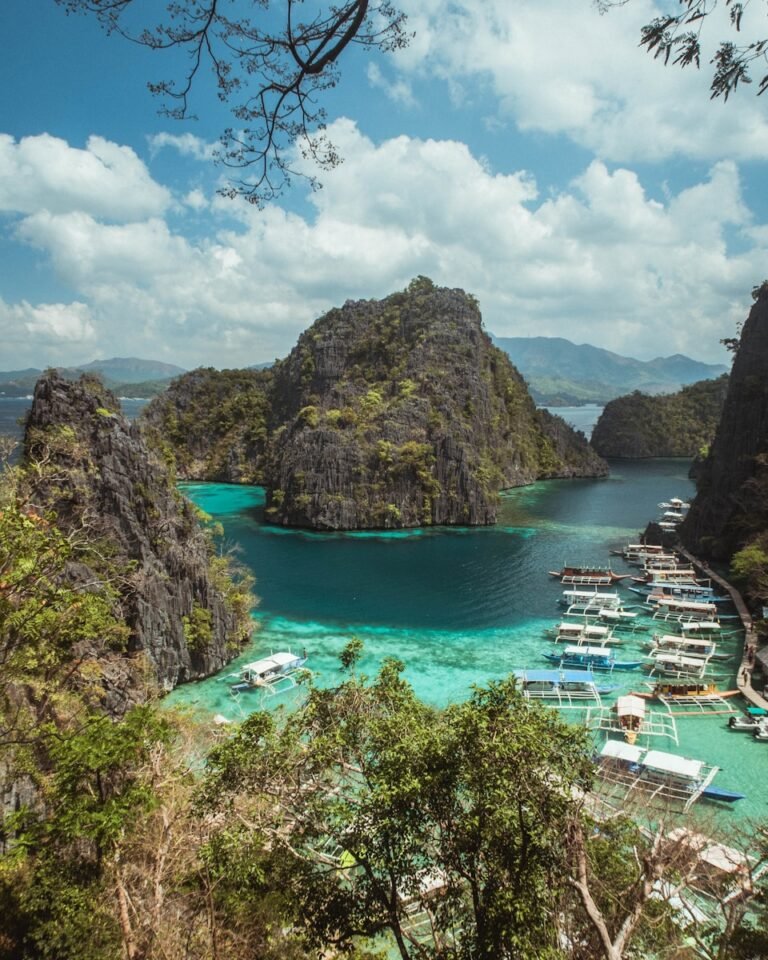
- Stunning Nature: Vietnam is home to breathtaking landscapes, from the iconic limestone karsts of Ha Long Bay to the lush Mekong Delta. Whether you’re a nature enthusiast or just need a break from your desk, there are countless opportunities to explore scenic beaches, mountains, and national parks.
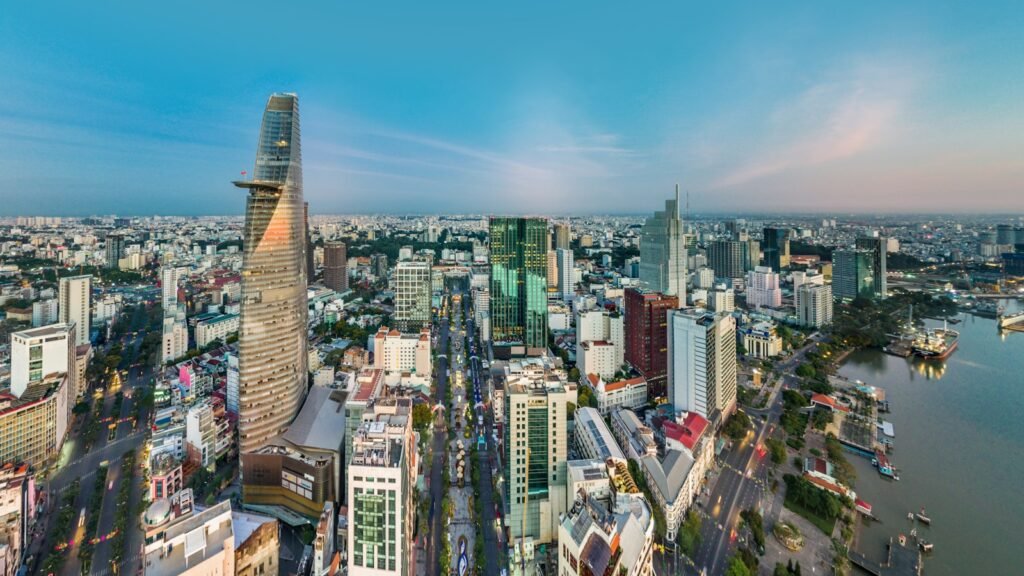
- Bustling Cities: Cities like Ho Chi Minh City (Saigon) and Hanoi offer a dynamic mix of modern amenities and rich culture. Digital nomads can easily find coworking spaces, meetups, and networking events while enjoying the diverse and lively urban culture.
- Expanding Digital Infrastructure: Vietnam has steadily improved its digital infrastructure, making it easier for remote workers to stay connected with fast internet and reliable services.
- Vibrant Expat Community: Vietnam hosts a growing community of expatriates and digital nomads, offering networking opportunities, coworking spaces, and social events that make it easier for newcomers to connect.
Who is Eligible for the Visa?
The Vietnam Digital Nomad Visa is generally open to individuals who are working remotely for foreign employers or running their own online businesses. The eligibility criteria usually include:
- Proof of stable income or employment (remote work for a company based outside of Vietnam or freelance work).
- A valid passport with at least six months of remaining validity.
- Health insurance that covers Vietnam or international coverage.
- Background check or clean criminal record (requirements vary).
- In some cases, proof of qualifications or professional experience may be required.
The exact details can vary, so it’s important for interested applicants to check with Vietnamese immigration authorities or a legal expert for the most current and specific requirements.
Eligibility Criteria for the Vietnam Digital Nomad Visa
To qualify for the Vietnam Digital Nomad Visa, applicants must meet certain requirements that demonstrate their ability to work remotely and support themselves while residing in the country. These criteria are designed to ensure that applicants are financially self-sufficient and can maintain a lawful presence in Vietnam during their stay. While the specific requirements may vary or be updated by Vietnamese immigration authorities, here are the general eligibility conditions that digital nomads should expect.
What Makes You Eligible?
- Employment Status: The Vietnam Digital Nomad Visa is primarily intended for individuals who work remotely. This includes:
- Employees of overseas companies: If you are employed by a company based outside of Vietnam but work remotely from any location, you can qualify for the visa.
- Freelancers and Entrepreneurs: Digital nomads who run their own online businesses or work as freelancers are also eligible, provided they can demonstrate that their income is derived from overseas clients or customers.
- Remote workers for international organizations: Individuals working for NGOs, international corporations, or government-funded projects that are based outside of Vietnam are generally eligible to apply.
Applicants will likely need to provide proof that they are working remotely for a foreign employer or that they are earning income from overseas clients. This could include contracts, pay slips, invoices, or other documents that verify the nature of their work and the international source of their income.
- Income Thresholds: One of the most important factors in determining eligibility is ensuring that applicants have a stable source of income to support their stay in Vietnam. While the exact minimum income requirement can vary, it is usually set to ensure that remote workers are financially independent and do not rely on local employment or government support.
- Approximate Income Figures: As of recent estimates, applicants may need to prove they are earning around $1,000 to $2,000 per month. This figure can fluctuate depending on the cost of living in the region and the specific requirements of the Vietnamese authorities at the time of application.
- Proof of Income: To meet this requirement, applicants may be asked to submit bank statements, tax returns, or contracts showing income from overseas employers or clients. For freelancers or business owners, proof could include monthly invoices, payments, or a statement of earnings.
Valid Passport and Health Insurance
- Valid Passport: Applicants must possess a valid passport that has at least six months of validity remaining from the intended date of arrival in Vietnam. The passport must also have at least one blank page for visa issuance. If the passport is nearing expiration, it is advisable to renew it before applying for the visa to avoid any delays or complications.
- Health Insurance: Applicants must provide proof of health insurance that covers them for the duration of their stay in Vietnam. This health insurance should ideally cover medical emergencies, hospitalization, and other essential health services. For individuals applying for the Digital Nomad Visa, the health insurance policy should either be:
- International Health Insurance: Many applicants choose to purchase a comprehensive international health insurance plan that covers them both in Vietnam and globally.
- Vietnamese Health Insurance: Alternatively, applicants may be able to obtain health insurance from a Vietnamese provider that offers suitable coverage for foreign nationals.
Additional Documents
- Background Check: Some applicants may be required to provide a clean criminal record or background check from their home country or any country where they have lived for an extended period. This requirement helps to ensure that applicants are of good standing and pose no security risk to the country.
- Proof of Remote Work or Freelance Activity: In addition to the income verification, applicants may be required to submit additional documentation that clearly demonstrates the nature of their remote work. This could include detailed contracts, references from employers or clients, or any other relevant documents proving that the applicant works remotely for foreign businesses or clients.
- Application Fee: Applicants should be prepared to pay an application fee, which can vary depending on the type of visa and the length of stay. It’s important to check the current fee structure when applying.
The eligibility process for the Vietnam Digital Nomad Visa is designed to ensure that remote workers are financially self-sufficient and have the necessary paperwork to legally reside in Vietnam while working. By meeting the income thresholds, submitting essential documents like a valid passport and health insurance, and providing proof of remote work, digital nomads can establish themselves in one of the most exciting and affordable destinations for remote work in Southeast Asia.

How to Apply for the Vietnam Digital Nomad Visa
Applying for the Vietnam Digital Nomad Visa involves a series of steps designed to verify your eligibility as a remote worker, freelancer, or entrepreneur planning to live and work in Vietnam. While the exact process and requirements may evolve over time, here is a general guide to help you through the application journey. The process can be completed both online and in person, depending on your location and the specific regulations at the time of application.
Step-by-Step Application Process
- Check Your Eligibility: Before starting the application process, ensure you meet the eligibility criteria for the Vietnam Digital Nomad Visa. You should verify that you have a stable, verifiable source of income from a foreign employer or clients, a valid passport, health insurance, and all necessary supporting documents.
- Prepare the Required Documents: Once you are confident that you meet the eligibility requirements, gather all the necessary documents. These include proof of remote employment or freelance activity, evidence of income, your passport, and health insurance. We will detail the required paperwork further below.
- Complete the Online Application Form: The Vietnamese government has made it relatively simple to apply for the Digital Nomad Visa by allowing applicants to complete the process online. Visit the official visa application website or the dedicated visa portal for digital nomads (when available).
- Fill in personal information, such as your full name, nationality, passport details, and contact information.
- Enter your employment details, including your remote job or freelance work, the name of your employer or business, and your income information. You may be asked to submit supporting documentation at this stage.
- Review the visa options available to you based on your situation, such as single-entry or multiple-entry options, and the duration of the visa (typically valid for up to 1 year, with potential for extension).
- Submit Supporting Documents: After completing the application form, you will need to upload the necessary supporting documents. These include:
- Proof of Employment: A contract or letter from your employer stating that you are employed and working remotely for a foreign company or clients.
- Proof of Income: Bank statements, invoices, or tax documents that demonstrate your monthly earnings meet the required threshold (usually between $1,000 to $2,000 per month).
- Valid Passport: A copy of your passport, which should have at least six months of validity remaining.
- Health Insurance: A copy of your health insurance policy that covers you in Vietnam.
- Other Documents: Depending on the specific visa requirements, additional documents such as a background check or a clean criminal record might be necessary.
- Pay the Application Fee: After submitting your application and documents, you will be required to pay an application fee. This fee can vary depending on factors like the length of your visa or the type of visa you are applying for (single-entry vs. multiple-entry). Payment is typically done online via a secure payment gateway using a credit or debit card.
- Wait for Visa Approval: After submitting your application, the processing time for the Vietnam Digital Nomad Visa may vary, but it generally takes anywhere from 7 to 15 business days. During this time, the Vietnamese authorities will review your application and verify the details you have provided. If additional information is required, they will contact you via email or the application portal.
- Receive Your Visa: Once approved, you will receive an official confirmation of your visa, which will typically be sent to your email. You can either print out a copy of the visa for your records or keep it digitally. In some cases, you may be required to visit a consulate or embassy to finalize your visa and have it stamped in your passport.
- Enter Vietnam: With your visa approved, you can now make travel arrangements to Vietnam. Upon arrival at an international airport or border entry point, you will present your visa along with your passport and any other required documents to immigration officers. They will check your paperwork and grant you entry into the country, where you can begin your journey as a digital nomad.
- Extend Your Visa: If you wish to stay in Vietnam beyond the initial duration of your Digital Nomad Visa, you can apply for an extension. Generally, this process is straightforward and can be done either online or at a local immigration office within Vietnam. The ability to extend your visa may depend on whether the government continues to offer the digital nomad visa program and your compliance with local laws.
Where to Apply
- Official Government Website: For most applicants, the primary place to apply for the Vietnam Digital Nomad Visa is through the official government website or an official visa portal set up for foreign workers. This site will have the most up-to-date information regarding eligibility, requirements, fees, and processing times. Look for the specific page dedicated to the Digital Nomad Visa when applying.
- Vietnamese Embassies and Consulates: If you prefer not to apply online or if the online application system is unavailable from your home country, you can also apply for the visa at a Vietnamese embassy or consulate near you. The embassy will provide the relevant application forms, assist with document submission, and help guide you through the visa process. You may need to make an appointment and visit in person.
- Third-Party Agencies: In some cases, third-party visa agencies offer assistance with the application process for a fee. While using these services may streamline the process, it’s essential to ensure that you are using a reputable agency with experience in handling digital nomad visas for Vietnam.
Documents You’ll Need
The following documents are typically required when applying for the Vietnam Digital Nomad Visa:
- Proof of Employment or Freelance Work:
- Employment contract with a foreign company or clients.
- Freelance work invoices or evidence of business ownership (e.g., client contracts, statements of work).
- Proof of Income:
- Bank statements showing a steady monthly income or contract showing the minimum required monthly salary (typically $1,000 to $2,000).
- Recent tax returns or financial documents that confirm your income from abroad.
- Valid Passport:
- Your passport should be valid for at least six months from the date of your arrival in Vietnam and must contain at least one blank page for visa issuance.
- Health Insurance:
- A health insurance policy that covers medical expenses and emergencies in Vietnam. This can be international coverage or coverage provided by a Vietnamese insurance company.
- Background Check or Police Clearance (if required):
- Some applicants may be asked to provide a clean criminal record certificate or police clearance from their home country or country of residence.
- Application Fee Payment:
- A proof of payment for the visa application fee, which can be made online via the official website or at the consulate, depending on the method of application.
By following these steps, gathering the appropriate documents, and ensuring that all the information is correct and up-to-date, you can successfully apply for the Vietnam Digital Nomad Visa. Once approved, you’ll be ready to enjoy a seamless and productive remote working experience in one of Southeast Asia’s most exciting destinations
Costs and Fees of the Vietnam Digital Nomad Visa
Understanding the costs and fees associated with applying for the Vietnam Digital Nomad Visa is crucial for budgeting and ensuring that you have all the necessary funds to complete the application process smoothly. Below is an estimated breakdown of the costs involved, as well as additional expenses you might encounter during the application process.
Visa Application Fees
The Vietnam Digital Nomad Visa is typically offered as a long-term visa, and the associated costs can vary depending on the type of visa you are applying for, such as a single-entry or multiple-entry visa, as well as the duration of your stay. Below is a rough guide to the application fees:
- Visa Application Fee:
- Single-Entry Visa (1 year): Around $100 to $150 USD. This visa allows you to enter Vietnam once during the validity period and is generally the most affordable option for digital nomads.
- Multiple-Entry Visa (1 year): Between $150 to $200 USD. This option allows for multiple entries into Vietnam over the course of one year, making it ideal for digital nomads who might travel to neighboring countries for business or leisure during their stay in Vietnam.
- Visa for Shorter Duration (3-6 months): Some applicants may prefer a visa for a shorter duration, such as 3 or 6 months. The cost for these visas typically ranges between $70 to $120 USD, though the exact amount can depend on the consulate or online platform you use.
- Extension Fees: If you decide to extend your visa while in Vietnam, the cost typically ranges from $50 to $100 USD, depending on the duration of the extension and the processing time. Extensions are usually available for 1-3 months.
- Visa Processing Fee:
- Some applicants may choose to use an expedited processing service to speed up the approval process. This service typically costs between $30 to $50 USD for faster processing (around 3-5 business days) or up to $100 USD for emergency processing (same-day or 24-hour processing).
Additional Costs
While the primary costs are associated with the visa application itself, there are several other expenses to consider as part of the application process. Here’s a breakdown of potential additional costs:
- Health Insurance:
- All applicants are required to have valid health insurance coverage for the duration of their stay in Vietnam. The cost of health insurance can vary significantly based on the provider and the type of coverage you choose. On average, a one-year international health insurance policy can cost between $300 to $800 USD per year.
- Alternatively, if you choose a Vietnamese health insurance provider, the cost could be more affordable, ranging from $100 to $300 USD per year, depending on the coverage.
- Document Certification and Notarization:
- Some applicants may need to have certain documents certified or notarized to submit with their visa application, particularly proof of employment or freelance contracts. The cost for notarization or certification can vary based on your country of origin and the specific document requirements. On average, you can expect to pay between $10 to $50 USD per document for notarization services.
- If you are required to submit a police clearance certificate or background check, there may be an additional fee for processing this document, which typically costs between $20 to $50 USD, depending on the country issuing the certificate.
- Translations:
- If any of your documents are not in English or Vietnamese (for example, proof of employment or income), you will need to have them professionally translated. Translation services can cost anywhere from $20 to $50 USD per document, depending on the length and complexity of the material. It’s important to check whether the visa application process requires certified translations for legal documents.
- Visa Agency Fees:
- Some digital nomads choose to use third-party visa agencies or consultants to assist with the application process, especially if they prefer professional assistance or need help navigating complex documentation. Visa agencies generally charge a fee for their services, which can range from $50 to $200 USD depending on the agency and the level of service you require (e.g., document preparation, expedited processing, etc.).
- Travel and Accommodation Costs:
- While not strictly part of the visa application itself, it’s essential to consider the costs of traveling to Vietnam and securing accommodations once you arrive. Airfare to Vietnam from various parts of the world can range from $300 to $1,000 USD or more, depending on your departure city and the season.
- Accommodation costs in Vietnam vary widely depending on location and lifestyle. Budget travelers can find affordable options in major cities like Hanoi and Ho Chi Minh City, where prices for a basic apartment or hostel range from $300 to $600 USD per month. If you opt for more luxurious accommodations, costs can range from $1,000 to $2,500 USD per month.
- Vietnamese Visa on Arrival (Optional):
- If you’re already in Southeast Asia or passing through neighboring countries, you may opt for a Vietnamese visa on arrival. This option can be a bit cheaper, typically costing between $50 to $80 USD, but it requires pre-approval through an online application form and may only be available for certain types of travelers.
- Other Miscellaneous Costs:
- Additional costs could include transportation within Vietnam, local phone services, internet connectivity (as digital nomads, you’ll likely need a reliable internet connection), and day-to-day living expenses. These costs can vary based on lifestyle and location but typically range from $500 to $1,500 USD per month for a comfortable living experience in Vietnam.
Total Estimated Costs
Given the different fees involved, here’s an estimate of the total cost for applying for the Vietnam Digital Nomad Visa:
- Basic Application Fees (1-year single entry): $100 to $150 USD
- Health Insurance: $300 to $800 USD per year
- Document Certification/Translation/Notarization: $20 to $100 USD
- Visa Agency Fees (if applicable): $50 to $200 USD
- Additional Fees (Extension, Travel, etc.): $50 to $500 USD
Total Estimated Initial Costs: $500 to $2,000 USD (depending on various factors, such as visa type, insurance, and additional services).
By planning ahead and budgeting for these costs, you can ensure that your application for the Vietnam Digital Nomad Visa is smooth and hassle-free. Understanding all the associated fees will also allow you to assess the financial investment needed to live and work as a digital nomad in one of Southeast Asia’s most vibrant and affordable countries.
Benefits of the Vietnam Digital Nomad Visa
The Vietnam Digital Nomad Visa offers a variety of compelling advantages, making it an attractive option for remote workers seeking to explore Southeast Asia while maintaining their professional life. From affordable living to travel flexibility, the visa opens the door to numerous benefits for digital nomads. Below, we dive deeper into the specific advantages of living and working in Vietnam, as well as the long-term possibilities the visa offers.
Living and Working in Vietnam
- Affordable Cost of Living: One of the most significant draws of living in Vietnam as a digital nomad is the low cost of living. Compared to many Western countries, Vietnam offers affordable housing, food, and transportation. A modest apartment in the heart of cities like Ho Chi Minh City or Hanoi can cost as little as $300 to $600 USD per month, depending on the location and your lifestyle preferences. Even in the most popular areas, digital nomads can live comfortably on a budget of around $1,000 to $1,500 USD per month. This affordability enables digital nomads to allocate more of their income to experiences, saving, or other pursuits rather than being burdened by high living costs.
- Rich Culture and History: Vietnam boasts a fascinating history and culture, with influences from Confucianism, Buddhism, and its colonial past. As a digital nomad in Vietnam, you’ll have the chance to immerse yourself in vibrant local traditions and cultural festivals, including the famous Tet Lunar New Year celebration. From the historical streets of Hanoi to the ancient ruins of My Son and the French colonial architecture in Ho Chi Minh City, Vietnam offers an incredible range of cultural exploration opportunities.
- Delicious Food: Vietnamese cuisine is one of the most renowned and beloved in the world. Fresh ingredients, aromatic herbs, and bold flavors characterize dishes such as pho, banh mi, and fresh spring rolls. As a digital nomad, you’ll have access to affordable and delicious meals everywhere—from bustling street food markets to sophisticated restaurants. The diverse food scene in Vietnam makes dining out both a delightful and budget-friendly experience.
- Co-working Spaces and Cafes: Vietnam is quickly becoming a hub for digital nomads, especially in cities like Ho Chi Minh City, Hanoi, and Da Nang. These cities are teeming with modern co-working spaces equipped with high-speed internet, meeting rooms, and networking opportunities. In addition, you’ll find an abundance of cafes, many of which have become gathering spots for remote workers. Whether you’re looking for a cozy corner to work or a more collaborative environment, the options are plentiful and cater to all work styles.
- Work-Life Balance: The slower pace of life in Vietnam allows digital nomads to embrace a healthier work-life balance. With an emphasis on enjoying everyday life and connecting with nature, you’ll find yourself with more free time to explore the stunning landscapes of Vietnam. Whether you’re hiking in the terraced rice fields of Sapa or relaxing on the beautiful beaches of Phu Quoc, Vietnam provides ample opportunities to recharge and enjoy your downtime.
Travel Freedom
- Explore Vietnam: As a digital nomad in Vietnam, you have the freedom to explore the diverse landscapes the country offers. From the dramatic limestone karsts of Ha Long Bay to the tranquil beaches of Nha Trang, Vietnam is a country of incredible natural beauty. Whether you’re seeking adventure, relaxation, or cultural exploration, the variety of destinations makes it an ideal place to base yourself while working remotely. The visa allows you to live and work in Vietnam without having to worry about tourist visa restrictions, giving you the peace of mind to travel around the country freely.
- Proximity to Other Southeast Asian Countries: Vietnam’s location in Southeast Asia makes it an excellent base for exploring nearby countries. With affordable flights and transport options, digital nomads can easily travel to countries such as Thailand, Cambodia, Laos, and Malaysia. Whether you’re interested in exploring the temples of Angkor Wat in Cambodia, the beaches of Thailand, or the bustling streets of Kuala Lumpur, Vietnam’s central location in the region gives you the flexibility to explore more of Asia during weekends or extended breaks.
- Visa-Free Travel to Neighboring Countries: Citizens of several countries, including the EU and the US, can travel to neighboring countries with minimal hassle and, in some cases, no visa requirements. Vietnam’s location in Southeast Asia allows digital nomads to enjoy easy travel between nearby countries. If you’re looking to take a weekend trip to a neighboring destination or need a break from work, it’s simple to plan short getaways without the added stress of visa paperwork.
- Southeast Asia’s Digital Nomad Hotspot: Vietnam’s growing popularity as a destination for remote workers means it’s part of the expanding Southeast Asia digital nomad network. With many countries in the region offering visa options for remote workers, Vietnam is perfectly positioned to allow digital nomads to engage with other like-minded individuals, creating a network of global professionals who can collaborate and connect.
Long-Term Stay Options
- Long Duration of Stay: One of the key benefits of the Vietnam Digital Nomad Visa is the ability to stay for extended periods. Depending on the type of visa, digital nomads can stay for one year or longer without needing to leave the country for visa renewals. This is an attractive option for remote workers who want the convenience of a long-term visa without the hassle of frequent renewals. The long duration allows you to focus on your work and explore Vietnam without the constant pressure of visa deadlines.
- Visa Extensions: If you’re enjoying life in Vietnam and wish to stay beyond the original term of your visa, extending your stay is relatively straightforward. The Vietnam Digital Nomad Visa typically allows for extensions of up to one year. Extension applications are processed through local immigration offices and typically involve submitting the necessary documentation and paying a fee. The ability to extend your stay without having to leave the country gives digital nomads a lot of flexibility and peace of mind.
- Pathway to Permanent Residency: While the digital nomad visa is not a direct pathway to Vietnamese citizenship or permanent residency, it can offer a smooth transition into longer stays. After living in the country for a number of years and fulfilling the residency requirements, digital nomads may explore opportunities for permanent residency or long-term visas. For now, the digital nomad visa provides a great option for those looking to experience Vietnam for an extended period while working remotely.
- Stability and Security: Vietnam’s strong infrastructure, low crime rates, and high standard of healthcare make it a secure and stable country for digital nomads to live and work in. Whether you’re planning to stay for a year or extend your stay further, Vietnam offers a secure environment where you can build your professional life and enjoy the local culture without constant concerns about safety or health risks.
Tips for Digital Nomads Living in Vietnam
Living as a digital nomad in Vietnam can be a rewarding and exciting experience. With its affordable cost of living, vibrant cities, and rich cultural offerings, Vietnam is rapidly becoming a hotspot for remote workers from all over the globe. Below, we’ve compiled some essential tips to help you navigate life as a digital nomad in Vietnam, covering where to live, how to budget your expenses, and how to stay connected while maintaining a healthy work-life balance.
Where to Live as a Digital Nomad in Vietnam
Vietnam offers a variety of cities and regions that cater to digital nomads, each with its own unique charm, amenities, and atmosphere. Here are some of the most popular nomad hotspots in Vietnam:
- Ho Chi Minh City (Saigon): Ho Chi Minh City, the largest city in Vietnam, is the country’s economic and business hub. It’s an ideal place for digital nomads who want to experience a fast-paced, urban lifestyle while still being able to live affordably. The city boasts a thriving expat community, numerous co-working spaces, vibrant street food culture, and plenty of opportunities for networking. The cost of living is higher than in other cities, but it’s still much lower than many Western cities, making it a great choice for those looking to balance work and leisure.
- Hanoi: Hanoi, the capital of Vietnam, is known for its rich history, colonial architecture, and picturesque lakes. The city offers a more traditional and laid-back atmosphere compared to Ho Chi Minh City, making it a great option for nomads who prefer a quieter pace. It also has an excellent food scene, and its central location provides easy access to the northern regions of Vietnam. Hanoi has a growing community of digital nomads, and you’ll find a number of affordable co-working spaces to help you stay productive.
- Da Nang: Da Nang, located on the central coast of Vietnam, is quickly gaining popularity as a digital nomad destination. Known for its beautiful beaches, relaxed vibe, and low cost of living, Da Nang offers the perfect balance of work and play. The city has been attracting remote workers who want to escape the hustle and bustle of larger cities while still having access to modern amenities. Da Nang is also a great base for exploring nearby cities like Hoi An and Hue, both rich in history and culture.
- Hoi An: While Hoi An is a smaller city, its blend of ancient charm and laid-back atmosphere makes it an excellent option for digital nomads who want a slower pace of life. Hoi An is known for its UNESCO World Heritage site Old Town, stunning beaches, and a strong sense of community. It’s an ideal place for those who want to combine work with cultural exploration, but it may not offer as many co-working spaces or job opportunities as larger cities like Ho Chi Minh City or Hanoi.
- Phu Quoc: For nomads looking to mix work with beach life, Phu Quoc is the place to be. Located off the southern coast of Vietnam, Phu Quoc is a tropical island with pristine beaches, fresh seafood, and a growing expat scene. While the island is quieter than the larger cities, there are still plenty of cafes and co-working spaces available. It’s perfect for those who want to enjoy island life while staying productive.
Cost of Living in Vietnam
One of the biggest draws for digital nomads living in Vietnam is the low cost of living. Vietnam allows you to live comfortably on a budget while still enjoying modern amenities, incredible food, and rich cultural experiences. Below is a quick overview of day-to-day expenses to give you a clearer idea of what to expect:
- Rent: Rent is one of the biggest factors to consider when budgeting your living costs in Vietnam. Depending on the city and your preferences, rent can vary widely:
- In Ho Chi Minh City, a one-bedroom apartment in the city center may cost around $500 to $800 USD per month, while outside the city center, prices can drop to $300 to $500 USD.
- In Hanoi, rents are slightly lower, with one-bedroom apartments in the center going for $400 to $700 USD per month.
- In Da Nang or smaller cities like Hoi An, rent is even more affordable, ranging from $200 to $400 USD per month for a one-bedroom apartment.
- Food: Vietnam is a paradise for food lovers, and eating out is incredibly affordable. Street food, which is fresh, delicious, and diverse, costs as little as $1 to $3 USD per meal. If you prefer dining in restaurants, a meal at a mid-range restaurant might cost you around $10 to $15 USD. Western-style restaurants will cost more, but you can still enjoy a meal for $15 to $25 USD. Cooking at home is also an affordable option, with grocery bills averaging around $100 to $150 USD per month for one person.
- Transportation: Getting around Vietnam is easy and cheap. In most cities, you can rely on inexpensive motorbike taxis or ride-sharing apps like Grab. A short ride may cost you around $1 to $3 USD. Public transportation, like buses, is very affordable, though it’s not as commonly used by expats. If you prefer renting a motorbike, expect to pay around $50 to $100 USD per month. For longer trips, intercity buses or trains are affordable and often a scenic way to travel.
- Utilities: Utilities, including electricity, water, and internet, are quite affordable. For a one-bedroom apartment, utilities may cost you anywhere from $50 to $100 USD per month, depending on usage. Internet is reliable in most areas and typically costs around $10 to $20 USD per month.
Staying Connected
- Reliable Wi-Fi: Staying connected while working remotely is a top priority for digital nomads, and Vietnam offers reliable Wi-Fi throughout the country. Most cafes, restaurants, and co-working spaces offer free Wi-Fi, making it easy to work from almost anywhere. However, it’s important to check the connection speed before settling in for a long work session, as speeds can vary. In larger cities like Ho Chi Minh City and Hanoi, the internet is fast and consistent, while rural areas might have occasional connectivity issues.
- Co-working Spaces: Vietnam has a growing number of co-working spaces, especially in cities like Ho Chi Minh City, Hanoi, and Da Nang. These spaces provide high-speed internet, comfortable workstations, and an environment designed to help you stay productive. Some of the most popular co-working spaces include The Hive, Toong, and Dreamplex in Ho Chi Minh City, and Coworking Hanoi in Hanoi. Many of these spaces offer flexible memberships, ranging from daily passes to monthly subscriptions, allowing you to work in a professional environment while networking with other nomads.
- Work-Life Balance: While Vietnam offers a vibrant work environment, it’s also important to maintain a healthy work-life balance. Take advantage of the country’s rich cultural offerings and beautiful landscapes to recharge during your downtime. Explore bustling markets, relax on the beaches, hike through lush forests, or immerse yourself in the local food scene. Vietnam’s slow pace of life outside of work hours allows you to strike the right balance between staying productive and making the most of your time abroad.Additionally, avoid the trap of overworking. It’s common for digital nomads to feel pressure to work non-stop when living in a new environment, but taking time for self-care and personal enjoyment is crucial for maintaining long-term productivity. Schedule regular breaks, set boundaries for your work hours, and explore new parts of Vietnam to keep your mind fresh and inspired.

Conclusion: Is the Vietnam Digital Nomad Visa Right for You?
Vietnam is a country that captivates the imagination with its stunning landscapes, rich cultural heritage, and dynamic cities. From its pristine beaches in Da Nang and Phu Quoc to the lush green mountains in the north, the hustle and bustle of Ho Chi Minh City, and the historic charm of Hanoi, Vietnam offers a diverse range of environments that appeal to digital nomads. If you’re someone looking for an affordable and enriching destination to work remotely while enjoying a high quality of life, the Vietnam Digital Nomad Visa could be the perfect opportunity for you.
Not only does Vietnam boast an incredibly low cost of living compared to Western countries, but it also offers a thriving digital nomad community. Whether you’re a solo traveler, a couple, or a small business owner, Vietnam provides a unique blend of work and leisure that makes it a prime destination for remote workers. The visa itself opens up a world of possibilities, allowing you to experience all that this beautiful country has to offer while maintaining your professional responsibilities.
However, before you take the leap, it’s important to do your research thoroughly. Understand the eligibility requirements and make sure you have all the necessary documentation in place, such as proof of remote work, a stable income, valid health insurance, and a passport. While the process can be relatively straightforward, it’s still essential to be prepared and stay on top of deadlines and any possible fees involved. The last thing you want is to face unnecessary stress over missing paperwork or last-minute surprises.
With the Vietnam Digital Nomad Visa, you’re not only setting yourself up for a productive remote work experience, but you’re also immersing yourself in a country that offers a vibrant and welcoming atmosphere. The affordable cost of living allows you to save more while living a comfortable lifestyle, and the rich culture will continually inspire and enrich your time there. The flexibility of the visa also gives you the opportunity to travel within Vietnam and to nearby Southeast Asian countries, further enhancing the digital nomad experience.
If you’re ready to embrace a new adventure and make Vietnam your home for the foreseeable future, don’t hesitate to dive in. The process might require some initial effort, but the rewards of living and working in such an incredible environment will far outweigh the preparation. Vietnam is waiting for you, and with the Digital Nomad Visa, you’ll be able to enjoy your remote work lifestyle to the fullest while exploring one of the most exciting and affordable destinations in Southeast Asia.