
Deel vs Remote (2026): Which One Is Better for Global Hiring? (My Honest Experience)

If you’re trying to hire internationally, you’ve probably come across Deel and Remote. I’ve been in that exact situation myself.
When I was going through my U.S. visa process and setting up my business structure, I spent a lot of time researching different platforms — and eventually decided to go with Deel. But along the way, I also seriously considered alternatives like Remote.
So this is not just a feature comparison. This is how I personally think about these platforms after actually using one of them.
Also comparing Oyster? Read my Deel vs Oyster (2026) comparison, with a side-by-side table and a real cost example.
Quick Answer
If you just want the short version:
- If you want something simple → choose Remote
- If you want something long-term and scalable → choose Deel
I chose Deel — and I would make the same decision again.
Now let’s break down why.
| Category | Deel | Remote |
|---|---|---|
| Country Coverage | 150+ countries | 90–100 countries |
| EOR Pricing | ~$599/month | ~$699/month |
| Contractor Pricing | ~$49/month | ~$29/month |
| Infrastructure | Mostly owned | Mix of owned + partners |
| Features | Full HR + payroll + compliance | Core payroll + EOR |
| Ease of Use | More advanced | Simpler |
| Best For | Scaling companies | Small teams / simple setups |
What Deel Actually Feels Like to Use
Deel is not just a payroll tool. When I started using it, what stood out to me pretty quickly was that it feels more like infrastructure than a simple SaaS tool. You’re not just logging in to send payments — you’re managing an entire global setup.
For example, when I went through my process, I wasn’t only dealing with payments. I was also dealing with:
- contracts and legal structure
- documentation for immigration
- compliance across countries
- organizing my work setup properly
Having all of that in one place made a big difference. Another thing I noticed is that Deel is very structured. There’s a clear flow for:
- onboarding
- uploading documents
- managing agreements
- handling payments
That might sound basic, but when you’re dealing with something like a visa or international work setup, that structure gives you a lot more confidence.
It feels like a platform that’s built for people who are actually doing this seriously — not just testing things casually.
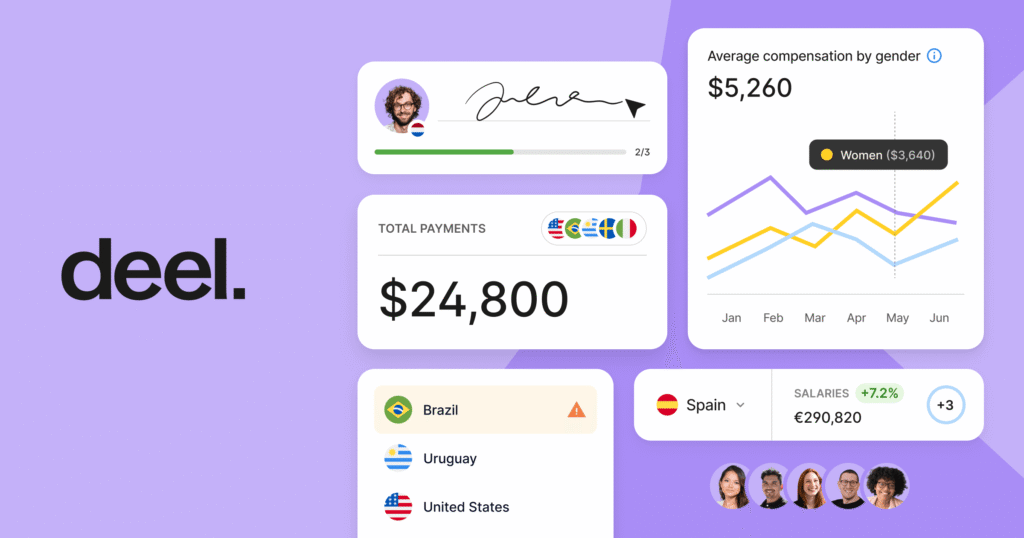
What Remote Feels Like (From My Perspective)
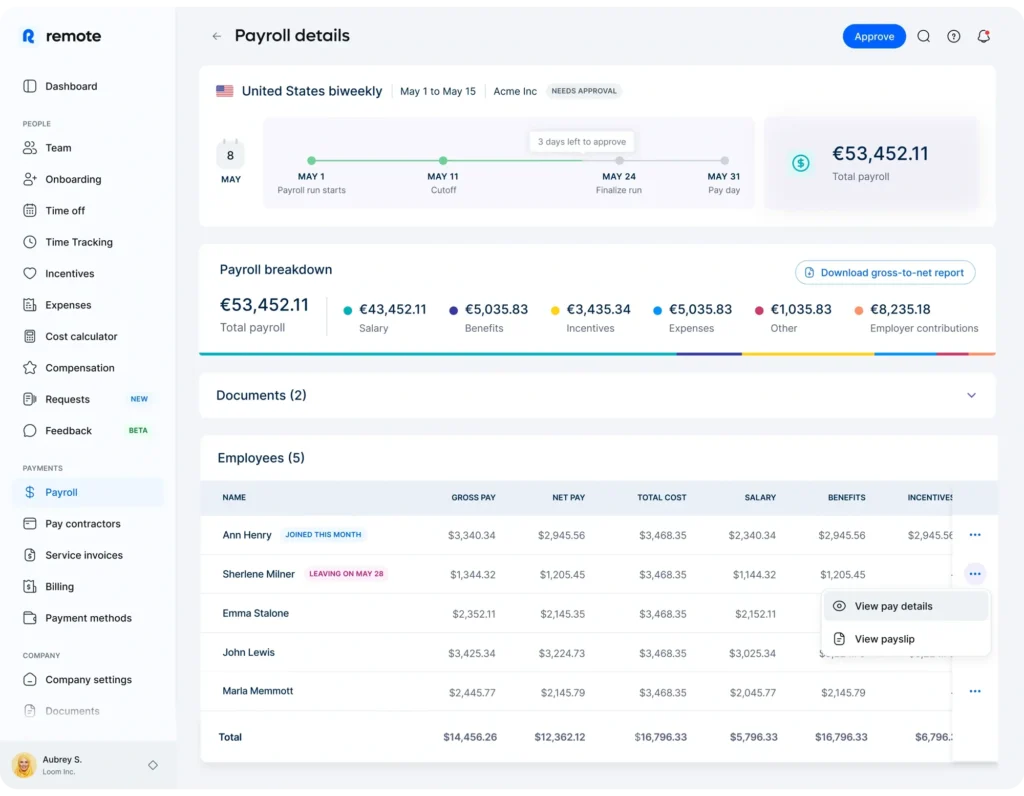
I didn’t end up using Remote, but I looked into it quite seriously. My impression was that it’s clean, simple, and easy to understand. That’s actually a big advantage.
If you’re new to global hiring, just testing things, or not doing anything too complex, Remote will likely feel more straightforward from day one.
At the same time, it didn’t feel as deep or flexible as Deel. It felt more like a focused tool, while Deel felt more like a complete system.
One thing I did like about Remote is that it feels lighter.
If Deel feels like a full operating system, Remote feels more like a focused tool that does one thing well.
For some people, that’s actually better. If you don’t need all the extra features and just want to hire or pay someone internationally without thinking too much about it, Remote probably gets you there faster.
So it really comes down to whether you prefer simplicity or flexibility.
The Real Differences (From Someone Who Had to Choose)
This was one of the main reasons I leaned toward Deel.
Deel operates in more than 150 countries, while Remote operates in fewer and relies more on partners in certain regions.
At first, that might not seem like a big deal. But when you’re actually dealing with legal processes, compliance, and documentation, you start caring about how solid the system is behind the scenes.
To me, Deel just felt more built out and robust.
Another thing to consider here is edge cases.
If you’re only hiring in one country, both platforms will probably work fine. But if you’re planning to operate across multiple regions or less common countries, infrastructure starts to matter more.
That’s where Deel having broader coverage and more direct control can make things smoother over time.
Pricing
On paper, pricing looks like this:
- Deel: around $599/month for EOR and $49/month for contractors
- Remote: around $699/month for EOR and $29/month for contractors
But here’s the reality: pricing wasn’t the deciding factor for me.
When you’re moving countries, dealing with visas, and setting up a business, saving $100 per month is not what matters most.
What matters more is:
- avoiding delays
- avoiding legal issues
- having something that actually works when you need it
In that context, the platform becomes part of your business foundation — not just a cost.
So I would think about pricing more as:
“Does this support what I’m trying to build?”
rather than just “Which one is cheaper?”
Features
This is where Deel really stood out.
It’s not just payroll and contracts. It also includes HR tools, analytics, compliance automation, and integrations.
Remote, on the other hand, felt more focused on doing the core things well.
A simple way to think about it:
- Remote handles the essentials
- Deel handles the full ecosystem
One thing I also noticed is that Deel is constantly adding new features and integrations.
That’s important because your needs will likely change over time. What starts as a simple setup can quickly become more complex once you:
- start earning more
- expand into new markets
- bring in other people
Having a platform that can grow with you avoids having to switch later, which can be a headache.
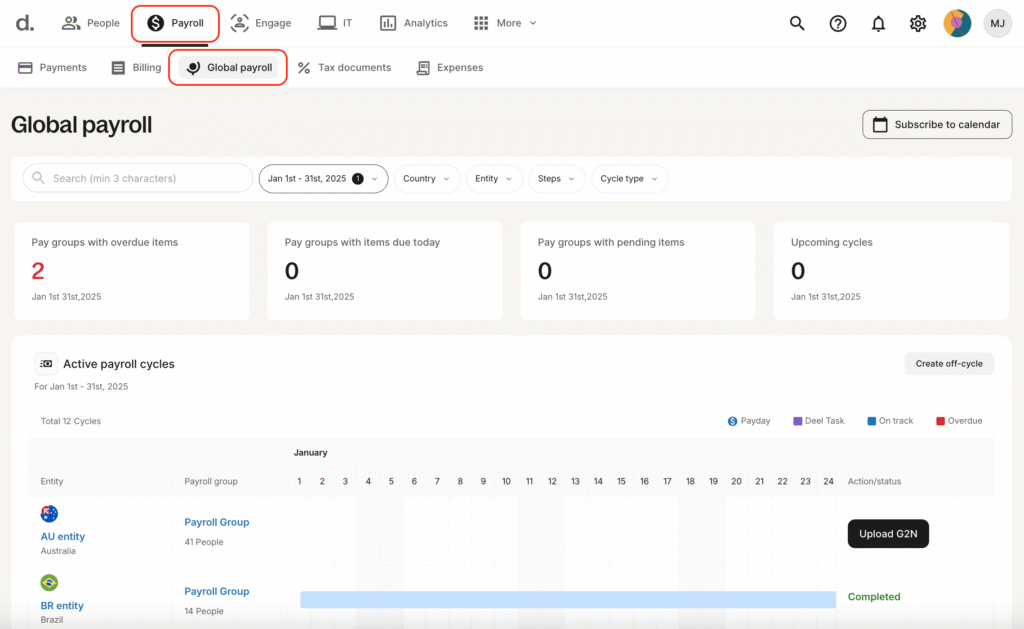
Other features Deel vs Remote
One thing that’s often overlooked when comparing these platforms is that Deel is not just about payroll or hiring.
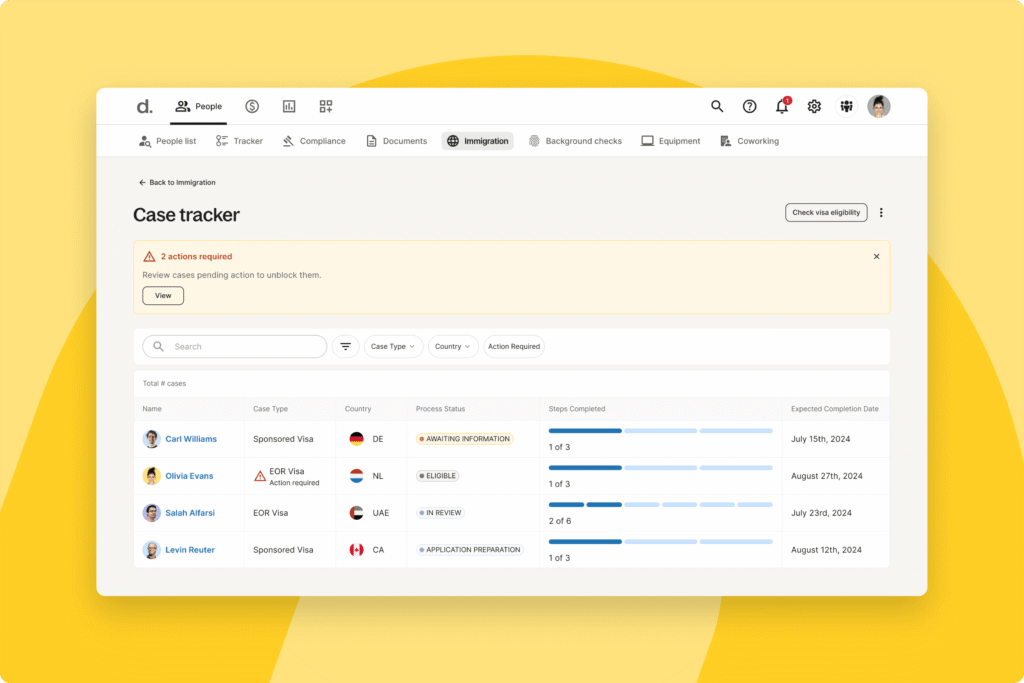
They also support visa and immigration processes — which was a big part of my own journey.
When I was figuring out how to move to the U.S., Deel played a significant role in that process. At the time, I didn’t fully realize how valuable that would be, but it ended up shaping my entire approach.
From there, everything became much more structured.
I got access to a system where I could upload documents, organize my background, and work through my achievements step by step. Instead of trying to figure everything out on my own, the process felt guided and organized.
It’s definitely not a quick or easy process — but having everything in one place made it far more manageable.
That’s something I didn’t really see with most alternatives.
So if you’re a founder, creator, or someone thinking about relocating, Deel can become more than just a hiring tool.
It becomes part of your overall setup.
Ease of Use
To be fair, Remote is probably easier to get started with.
Deel has more features and more options, which also means a slightly steeper learning curve.
If you want something simple and quick to understand, Remote has an advantage here. Deel requires a bit more time, but in return, you get more flexibility.
Customer Support and Reliability
One area that doesn’t always get enough attention is support.
When you’re dealing with international hiring, payroll, or visas, things don’t always go perfectly. And when something goes wrong, support becomes critical.
From my experience, Deel felt more structured in how things were handled. There’s a clearer system behind it, and it feels like there’s more depth in how they manage complex cases.
That doesn’t mean Remote has bad support — but it felt more like a simpler setup overall.
If you’re just running a small operation, that’s usually fine.
But if you’re dealing with more complex situations — like compliance or relocation — having a platform that feels more robust can make a difference.
Scalability
This is where I think the decision really matters.
When I chose Deel, I wasn’t just thinking about what I needed at that moment. I was thinking about what I might need in one or two years.
If you plan to grow, hire internationally, and build a real global setup, switching platforms later can be painful.
That’s why I preferred starting with something that could scale with me.
Even if you don’t need all the features today, it’s helpful to know they’re there when you do.
Switching platforms later — especially when contracts, payments, and compliance are involved — is not something you want to deal with if you can avoid it.
Pros and Cons
Deel
What I like:
- Feels like a serious, long-term system
- Everything is centralized
- Strong infrastructure
- Built to scale
What I don’t love:
- Can feel a bit overwhelming at first
- Costs can add up depending on usage
Remote
What I like:
- Simple and intuitive
- Easy to get started
- Transparent pricing
Limitations:
- Fewer features
- Less flexibility
- Doesn’t feel as complete for long-term scaling
Who Should Choose What
Choose Deel if:
- You are serious about building something long-term
- You want fewer limitations later
- You are dealing with more complex setups
- You expect to scale internationally
Choose Remote if:
- You want something simple
- You are testing global hiring
- You don’t need advanced features
- You prefer a more straightforward setup
My Personal Decision
I chose Deel.
And looking back, I would make the same decision again.
Not because Remote is bad — it’s not. But because Deel felt like the safer long-term option, especially when dealing with visas, compliance, and international structure.
To make this more practical, here’s how I would think about it in real scenarios.
If you’re a freelancer or solo founder just starting out, Remote might be enough. It’s simple, easy to understand, and gets the job done without too much setup.
If you’re building a startup or planning to hire internationally, Deel starts to make more sense. The extra features and structure become valuable very quickly once things get more complex.
If you’re dealing with immigration, visas, or anything legal-heavy (like I was), I would personally lean toward Deel. In those situations, having a more robust system just gives you more confidence.
Why This Decision Matters More Than You Think
At first, choosing between platforms like Deel and Remote feels like a small decision.
But it’s actually not.
This platform becomes part of how you:
- operate your business
- manage money
- stay compliant
- work internationally
Once everything is set up — contracts, payments, structure — switching later is not something you want to do unless you absolutely have to.
That’s why it’s worth taking a bit more time upfront to choose something that fits where you’re going, not just where you are right now.

Best EOR Provider in 2026: Which One Wins?
If you’re specifically searching for the best Employer of Record (EOR) provider in 2026, both Deel and Remote are strong options.
But they serve slightly different needs.
Remote is a solid choice if you want something simple and easy to get started with.
Deel, on the other hand, stands out as a more complete solution — especially if you’re planning to build a global team or scale internationally.
Based on my experience and what I’ve seen:
- For simplicity → Remote works well
- For long-term growth → Deel is the stronger option
So if your goal is to build something global and sustainable, Deel is usually the better choice.
When Deel and Remote Are NOT the Right Fit
It’s also worth mentioning that neither Deel nor Remote is always the perfect solution.
If you’re only operating locally and not hiring internationally, you probably don’t need an EOR platform at all.
In my case, I also tested Gusto when looking at more domestic setups. Tools like Gusto are built specifically for U.S.-based payroll and can be a better fit if your business is fully local.
Platforms like Deel and Remote really start to make sense when you’re dealing with:
- international contractors
- global hiring
- cross-border compliance
If you’re not doing that, they can actually be overkill.
On the other end of the spectrum, if you’re operating at a much larger enterprise level, there may be more specialized solutions depending on your setup.
But for most founders, freelancers, and growing companies looking to operate globally, platforms like Deel and Remote are some of the most accessible ways to get started.
Final Verdict
- Best overall: Deel
- Best for simplicity: Remote
Both platforms are strong, but they are built for different stages and different needs.
FAQ
Is Deel worth it?
If you are serious about building globally, yes.
Is Remote cheaper?
Sometimes, especially for contractors, but not always where it matters.
What would I choose today?
Still Deel.

Final Thoughts
This decision is not just about software.
It’s about how you structure your business globally.
When I first looked into this, I thought it was just about finding a tool to handle payments. But once you go through the process, you realize it’s much more than that.
You’re setting up:
- how you work
- how you get paid
- how you stay compliant
- how you scale
So it’s worth thinking a bit longer-term when making this decision.
From my experience, choosing something slightly more robust from the beginning can save you a lot of time and friction later on.
Curious to know more? Deel.com






One Comment